
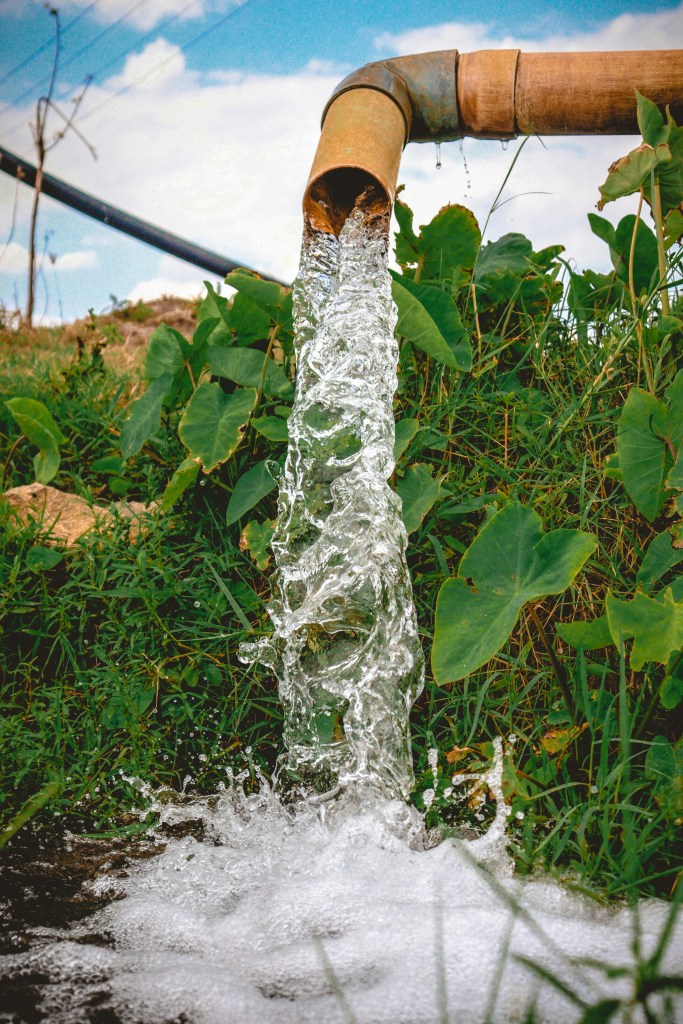
We’d already done the math a dozen times. Three lots — two of us building new, and the century-old farmhouse lot going to the other two co-purchasers, who are planning to remodel it into their place. It was a clean plan. We knew water service existed near the property; we’re not that remote. What we hadn’t confirmed was whether the district could actually support the connections we needed.
The farmhouse lot already had its infrastructure sorted — no issue there. It was the two new-build lots that needed fresh connections from the district, and that’s where things got tense.
Older pipes, newer math
Here’s the part that isn’t unique to us, and is probably worth knowing if you’re eyeing anything like this: a lot of rural water infrastructure out here was built for a different era — when a section of land supported one farmhouse, not multiple new households. Our stretch of Hudson Road used to be a handful of 30-40 acre farms. Now those same tracts are getting split up, and every new subdivision means more taps pulling from a system that was never sized for this many connections per mile. The supply didn’t change. The demand did.
Nobody’s district engineer is out there proactively upgrading capacity ahead of that trend. You find out where you stand by calling and asking directly — connection by connection, not just “is there water in the area.”
Making the calls
When we called, there was exactly one additional tap available. We reserved it on the spot for $4,000 — first-come, first-served, and reservations aren’t free. That covered one of our two new-build lots. The other one needed the district to commission an actual capacity study, at a cost of $1,500, to confirm they could support a second additional connection at all.
That study wasn’t a formality — it was a real “we don’t know the answer yet” moment. We paid, then waited.
It came back positive. We reserved the second tap for another $4,000, same process. And just like that, both new-build lots had a real, confirmed path to water — not an assumption, an actual reservation with the district’s name on it. All in, $9,500 to go from “we think there’s water” to “we have two guaranteed connections.”
Why this almost broke the plan
If that second study had come back negative, we had a fallback — but it wasn’t one anyone was excited about. Plan B was drilling a well on one of the new lots. Not ideal. Not what any of the four of us wanted, for cost, maintenance, and honestly just peace of mind reasons. We looked into it seriously enough to know it was possible, and hoped hard we wouldn’t need it.
The actual lesson
If you’re looking at rural land with plans to add new connections, treat water as two separate questions, not one:
- Is there water service near this property?
- Can the district actually support the number of new connections your plan requires?
Get an answer to #2 in writing, directly from the utility, before you commit to your lot count or your financing. It’s not glamorous. It’s also one of maybe three or four things that could have quietly complicated this entire project before we ever broke ground.


Leave a Reply